Edge Computing: How It Speeds Up Your Website and Reduces Latency???
Introduction
With the growing number of users worldwide, website speed has become a critical factor in the success of any online project. This is where Edge Computing emerges as an innovative solution to reduce latency and enhance performance.
What is Edge Computing?
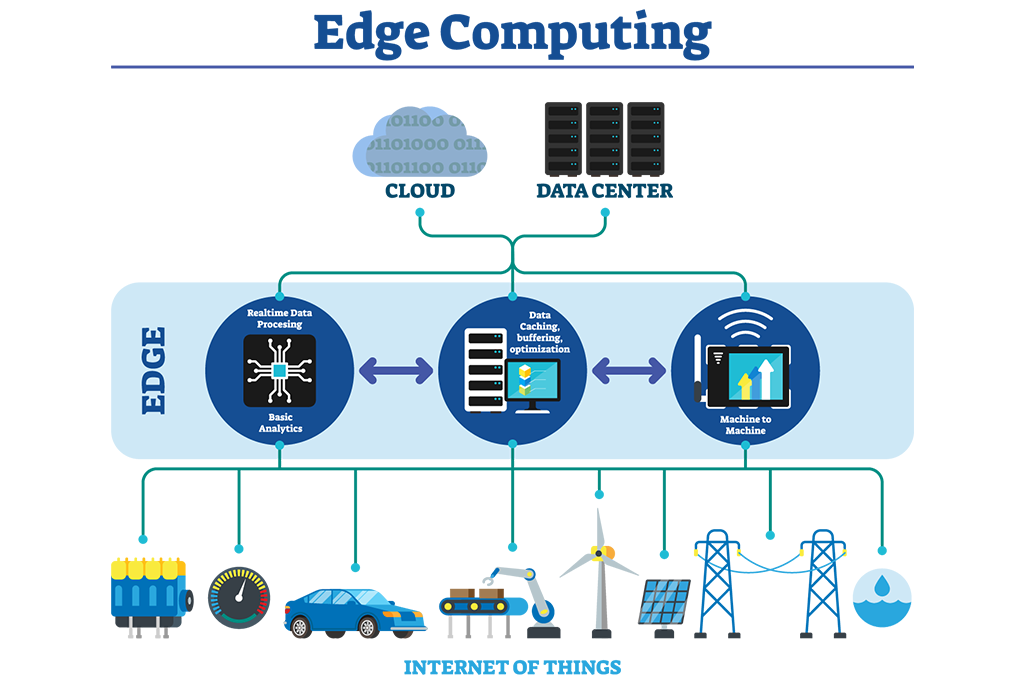
Edge Computing is an approach that processes data closer to the user instead of sending it to a distant central server.
How Does It Work?
- The user sends a request
- The request is routed to the nearest edge location
- Data is processed at that location
- The response is delivered quickly
Difference Between Edge Computing and Cloud Computing:
Cloud Computing
- Relies on a centralized server
- May be geographically distant
Edge Computing
- Relies on nearby edge locations
- Provides faster response times
Benefits of Edge Computing:
- Reduced latency
- Faster website performance
- Improved user experience
- Less load on the main server
When Do You Need Edge Computing?
- Global websites
- Real-time applications
- Online gaming
Drawbacks of Edge Computing:
- Can be more expensive
- More complex to manage
FAQ
Does Edge Computing replace CDN?
No, it complements CDN rather than replacing it.
Conclusion
Edge Computing has become a key component in accelerating modern websites and significantly improving performance.
 2019 - 2023 © WELNIZ.LTD. All rights reserved.

 United Arab Emirates (Arabic)
 Worldwide (English)