Stateful vs Stateless: What’s the Difference in Modern Applications???
HomepageArticlesStateful vs Stateless: What’s the Difference i...
Stateful vs Stateless: What’s the Difference in Modern Applications???
Introduction
When designing modern applications, two important concepts often appear: Stateful and Stateless architectures. These concepts directly affect how applications operate, scale, and manage user interactions.
What are Stateful Applications?
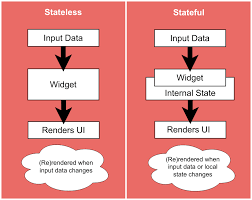
Stateful applications store user data or session information between different requests.
Examples of Stateful Applications
Chat applications
E-commerce platforms
Login and authentication systems
What are Stateless Applications?
Stateless applications do not store any client data between requests. Each request is processed independently.
Examples of Stateless Applications
Some APIs
Static content websites
Search services
The Main Difference Between Them
Stateful
Stores user or session data
Requires session management
Stateless
Simpler architecture
Easier to scale
Why Do Modern Systems Prefer Stateless Architecture?
Easier Scalability
New servers can be added quickly without worrying about session synchronization.
Better Load Distribution
Requests can be routed to any available server.
Higher Stability
Reduces dependency on user sessions stored on a single server.
When Do You Need Stateful Applications?
Interactive applications
Systems that heavily depend on session data
Challenges
Stateful Challenges
More difficult to scale efficiently
Stateless Challenges
May require external storage systems for user data and sessions
FAQ
Is Stateless Always Better?
Not always. The right choice depends on the application’s requirements and architecture.
Can Both Approaches Be Combined?
Yes. Many modern systems use a hybrid approach that combines both Stateful and Stateless components.
Conclusion
Understanding the difference between Stateful and Stateless architectures helps developers build applications that are more efficient, scalable, and reliable for modern cloud environments.
 2019 - 2023 © WELNIZ.LTD. All rights reserved.

 United Arab Emirates (Arabic)
 Worldwide (English)